The Forum, Its Founders,
and Its Purpose
IFELT was established as an independent, non-profit international platform — born from the conviction that the legal and judicial world needs a dedicated space to study, anticipate, and shape the role of emerging technologies in the pursuit of justice.
An International Platform for Law, Justice & Technology
The International Forum for Emerging Law & Technology — IFELT — is an independent, non-profit international platform dedicated to the study, anticipation, development, promotion, and responsible use of emerging technologies in legal, judicial, legislative, educational, and related fields.
IFELT operates in the public interest. It is not affiliated with any government, commercial entity, or political body. Its work is guided solely by the principles enshrined in its Constitutive Charter and Statute.
At its core, IFELT seeks to contribute to systems that enhance access to justice and facilitate legal and judicial services across borders — ensuring that the promise of technology serves people, not the other way around.
A World Where Justice and Technology Advance Together
IFELT envisions a world in which emerging technologies strengthen — rather than undermine — the rule of law, access to justice, and the protection of fundamental rights. A world where legal systems are equipped to govern technology effectively, and where innovation in law serves people across every border and jurisdiction.
"We believe that the legal and judicial world must not merely react to technological change — it must shape it. IFELT exists to ensure that the voices of justice, law, and human rights are heard at the frontier of innovation."
— Founding Principle
To Study, Anticipate, and Shape the Role of Technology in Law and Justice
IFELT's mission is to serve as the leading international platform for the study, anticipation, development, promotion, and responsible use of emerging technologies in legal, judicial, legislative, educational, and related fields — always in the public interest.
The Forum pursues this mission through research and publications, international conferences and forums, capacity-building programmes, and strategic partnerships — connecting practitioners, scholars, policymakers, and technologists from across the world.
Produce rigorous research on the legal implications of emerging technologies
Facilitate international dialogue between legal professionals and technologists
Build the capacity of legal and judicial institutions to govern technology effectively
Advance access to justice across borders through practical tools and guidance
Foster strategic partnerships between legal, academic, and technology institutions
Five Values That Guide Everything We Do
Independence
IFELT operates free from any governmental, commercial, or political affiliation. Its work is guided solely by principle, the public interest, and the values enshrined in its founding documents.
Rule of Law
The rule of law is the foundation on which IFELT stands. Every programme, publication, and partnership is oriented toward strengthening legal institutions and the principles of justice.
Innovation
IFELT embraces innovation — not as an end in itself, but as a means of advancing justice. The Forum studies, anticipates, and shapes technological change so that it serves people and institutions.
International Cooperation
The challenges of emerging technology are global and require global responses. IFELT is built on the conviction that sustained international cooperation is the only path to effective and equitable solutions.
Access to Justice
Access to justice is not an abstract ideal — it is a practical objective. IFELT works to remove the barriers that prevent individuals and institutions from accessing justice in a digital and interconnected world.
Why IFELT Was Founded
IFELT was not created to fill a market gap. It was created to fill a justice gap.
Emerging technologies — artificial intelligence, digital evidence, deepfakes, autonomous systems, blockchain, biometric surveillance — are reshaping every dimension of law and justice at a pace that existing institutions were not designed to match. Courts are being asked to evaluate AI-generated evidence without established standards. Legislators are drafting laws for technologies they do not fully understand. Legal professionals are navigating digital environments without adequate frameworks or training.
Yet the legal and judicial world lacked a dedicated international forum — independent, practitioner-led, and genuinely cross-border — to study, anticipate, and shape this transformation. IFELT was established to be that forum.
The Idea Takes Shape
Judge Wassim Ibrahim, drawing on more than two decades of judicial experience, identifies a critical gap: the legal and judicial world lacks a dedicated international forum to study and shape the transformation that technology is bringing to law and justice.
Foundations Laid
Work begins on IFELT's founding documents — the Constitutive Charter and the Statute — establishing the Forum's identity, mission, governance structure, and core principles. Consultations with legal professionals, academics, and technologists across multiple jurisdictions inform the design.
IFELT is Established
The International Forum for Emerging Law & Technology is formally established in Beirut, Lebanon. The founding documents are finalised, the founding network begins to take shape, and IFELT opens its doors to the international legal and technology community.
Building the Forum
IFELT launches its flagship programmes — the IFELT Observatory and the IFELT Justice Gateway — alongside its first international conference, research publications, and capacity-building initiatives. The network grows across jurisdictions, disciplines, and institutions.
The Founding Members
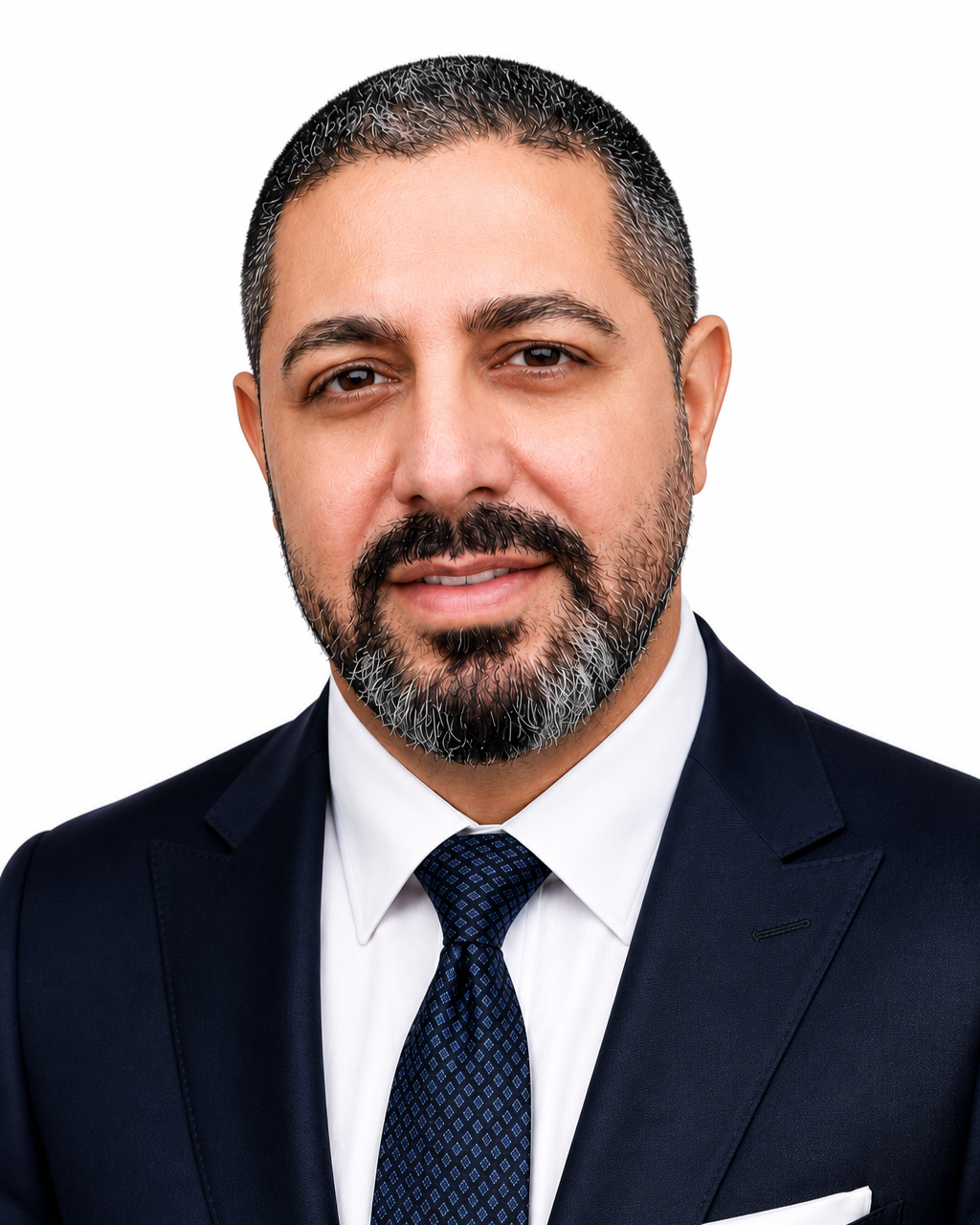
Judge Wassim Ibrahim
LinkedIn ProfileLebanese jurist and senior member of the Lebanese judiciary with more than two decades of experience in criminal justice, judicial investigations, appellate adjudication, and international legal cooperation.
To Be Announced
A second founding member will be selected from international professionals in legal, judicial, or technology fields.
To Be Announced
A third founding member will be selected from international professionals in legal, judicial, or technology fields.
How IFELT Is Governed
IFELT is governed by a transparent, accountable structure designed to ensure independence, institutional integrity, and alignment with the Forum's founding principles. The governance framework is defined in the Statute and the Constitutive Charter.
General Assembly
The Supreme Governing Body
The General Assembly is the supreme governing body of IFELT, comprising all members of the Forum. It meets periodically to set the strategic direction of the organisation, approve major decisions, and ensure accountability across all IFELT activities.
- Approving IFELT's strategic plan and annual programmes
- Electing members of the Board of Trustees
- Reviewing and approving annual reports and accounts
- Amending the Statute and founding documents
- Admitting new categories of membership
Board of Trustees
Oversight and Governance
The Board of Trustees provides oversight, governance, and strategic guidance to IFELT. It is responsible for ensuring that the Forum operates in accordance with its founding documents, its values, and its obligations to members and the public interest.
- Overseeing IFELT's governance and institutional integrity
- Approving budgets and major financial decisions
- Appointing and supervising the President
- Ensuring compliance with the Statute and Charter
- Representing IFELT's interests to external stakeholders
President
Executive Leadership
The President leads IFELT's executive operations, represents the Forum internationally, and is responsible for implementing the strategic direction set by the General Assembly and Board of Trustees. The founding President is Judge Wassim Ibrahim.
- Leading IFELT's day-to-day operations and programmes
- Representing IFELT in international forums and partnerships
- Overseeing research, publications, and events
- Building and maintaining the IFELT network
- Reporting to the Board of Trustees and General Assembly
Committees
Specialist Working Groups
IFELT operates through a series of specialist committees that oversee specific areas of the Forum's work — from research and publications to membership, events, and partnerships. Committees draw on the expertise of the broader IFELT network.
- Research & Publications Committee
- Membership & Network Committee
- Events & Conferences Committee
- Partnerships & Outreach Committee
- Ethics & Governance Committee
IFELT's governance structure is designed to ensure that the Forum remains independent, accountable, and true to its founding mission — regardless of the individuals who hold office at any given time. The full governance framework is set out in the Statute and Constitutive Charter, available for download below.
Built on Solid Foundations
IFELT's operations, governance, and principles are defined by two founding documents — the Constitutive Charter and the Statute — both of which were established at the Forum's inception.
Constitutive Charter
The founding document that establishes IFELT's identity, mission, and core principles. The Charter defines the Forum's purpose, its commitment to independence, and its dedication to the public interest.
Statute
The operational framework governing IFELT's structure, membership, decision-making, and procedures. The Statute ensures the Forum operates with transparency, accountability, and institutional integrity.